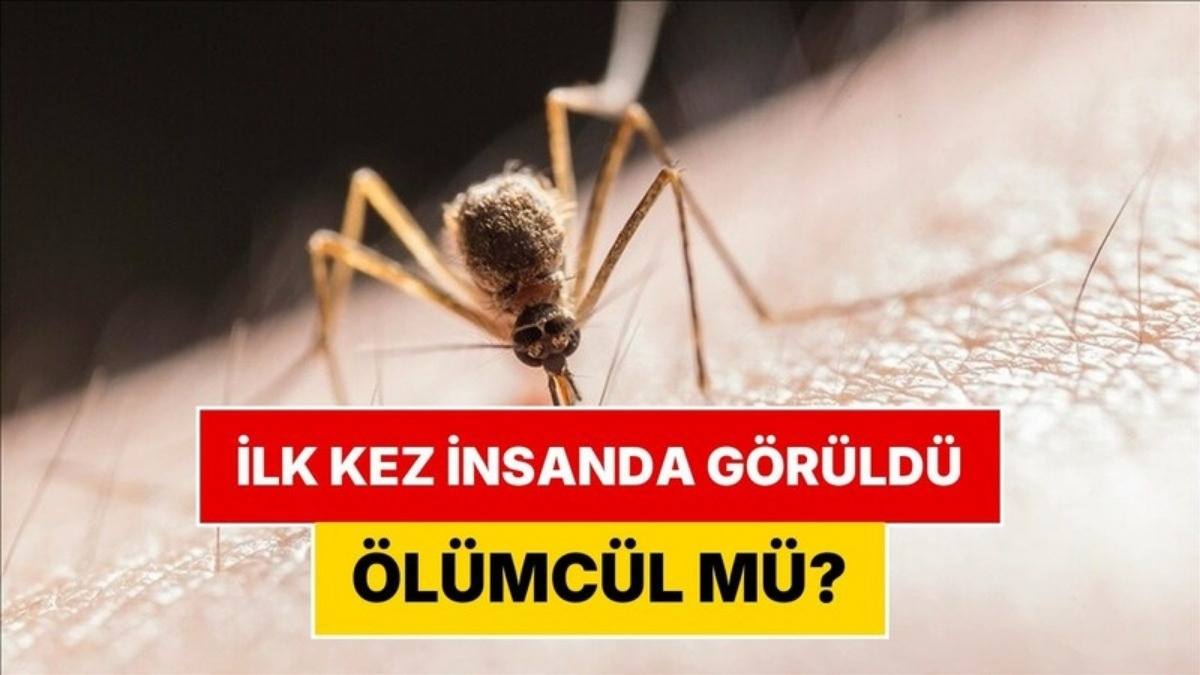
Shamonda virus, which has so far been seen only in farm animals such as cattle, sheep and goats, was detected in a human for the first time in France. The patient, who was being treated in Lyon for another serious illness and whose immune system was seriously weakened, died at the beginning of October. With the announcement of the case, 'What is Shamonda virus, is it fatal, is there a cure?' These questions became among the most searched topics. Statement from the World Health Organization.
What is Shamonda virus?
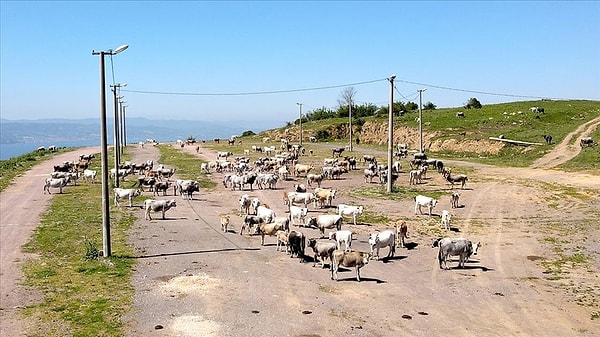
Shamonda virus (SHAV) is a member of the Simbu virus group belonging to the Orthobunyavirus genus. The virus was first detected in cattle in Nigeria in 1965, and for many years it was seen only in animals in parts of Africa and Asia. The virus most commonly found in cattle; It was also detected in sheep, goats, horses and alpacas.
The first confirmation in Europe came in the summer of 2026. Genetic tests on sick cattle in southern Germany, Switzerland and eastern France in late July revealed that the virus had reached the continent. According to France's weekly animal health bulletin, the virus has since been seen in Austria, Belgium, Ireland, Italy, Liechtenstein, Luxembourg, the Netherlands, Portugal, Slovenia, Spain and Jersey.
Shamonda is not among the diseases listed under the European Union Animal Health Law. Therefore, it is not subject to official surveillance or control measures.
How is Shamonda virus transmitted?
The virus is carried by millimetric-sized stinging flies called Culicoides. These small flies can transmit the virus to other animals after biting an infected animal.
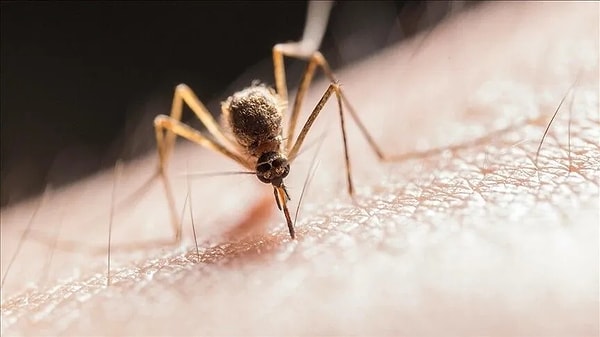
According to French authorities, the patient who died is thought to have been infected by the bite of one of these flies in eastern France, where the virus circulates among animals in the spring and summer months. French Director General of Health Grégory Emery announced that there have been no reports of transmission from cattle to humans or humans to humans so far. WHO also stated that new studies are needed to fully understand how the virus is transmitted.
What are the symptoms of Shamonda virus?
Since the virus has never been seen in humans before, it is not yet known what symptoms it causes in humans. In animals, the picture is clearer. While diarrhea, weakness and loss of appetite are prominent in infected cattle, fever is less common.
In an examination of 9 dairy farms in France, it was found that milk yield decreased by up to 75 percent in enterprises where the virus was detected. Experts also point out the risk of offspring loss and birth defects in pregnant animals.
Is Shamonda virus fatal?
According to the joint statement of the French Ministries of Health and Agriculture, the patient who died was being treated for a serious illness at Lyon University Hospitals (Hospices Civils de Lyon) and his immune system was severely weakened. Local newspaper Le Progrès reported that the patient was a man in his 60s living in the Lyon region.
This is the first and only known human case of Shamonda virus. There is no evidence that the virus has a severe or fatal course in healthy people. French Director General of Health Grégory Emery emphasized that the case was scientifically 'unprecedented' but was linked to the patient's weakened immune system: 'There is neither an alarm nor a crisis in terms of medical and public health.'
WHO also described the incident as an 'isolated human case' and announced that it is not expected to lead to wider spread at this stage. WHO Director General Tedros Adhanom Ghebreyesus expressed his condolences to the patient's relatives.
Is there a treatment and vaccine for Shamonda virus?

There is no specific drug or treatment method that directly targets Shamonda virus. According to the World Organization for Animal Health (WOAH), a commercially available vaccine against the virus has not yet been developed.
In possible human cases, as well as in sick animals, supportive care is applied to relieve symptoms such as fluid support, antipyretics, painkillers and rest.
Is Shamonda virus present in Türkiye?

So far, no official statement has been made that Shamonda virus has been detected in animals or humans in Türkiye. While the course of the virus in Europe is being closely monitored by animal health authorities, WHO, together with French authorities, continues to examine how the patient was infected and the possible risks to public health.


