
The first sources of vitamin C that come to mind in the winter months are oranges and tangerines. However, wild rosehip contains approximately 8 times more vitamin C than an orange of the same weight.
Details are in our news.
Source 1 | Source 2 | Source 3 | Source 4
100 grams of wild rosehip contains 426 milligrams of vitamin C, and the same amount of orange contains approximately 53 milligrams of vitamin C.
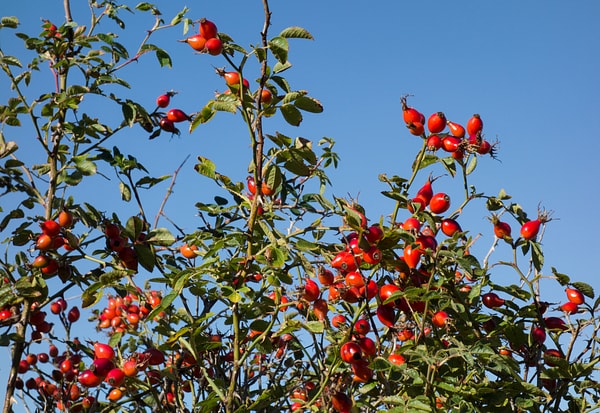
The nutritional value of rosehip is not limited to vitamin C. 100 grams of wild rosehip contains 24 grams of fiber, 5.8 milligrams of vitamin E and 169 milligrams of calcium.
The fruit also contains high amounts of vitamin A and lycopene, an antioxidant. The same amount of rosehip contains 162 calories.
The temperature and duration of drying determine how much vitamin C will remain in the rosehip.
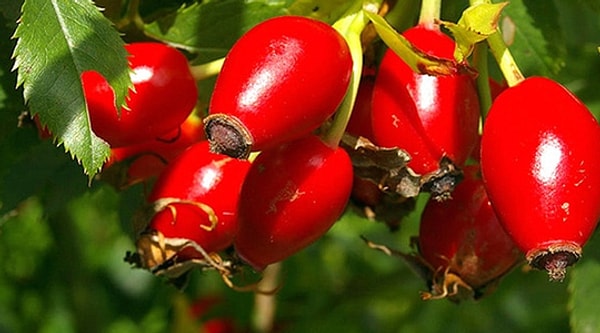
Researchers from the University of Tartu in Estonia and Charles University in the Czech Republic dried and measured the fruit under different conditions. Short-term drying at 60-80 degrees gave the best results. Drying for a long time at low temperatures such as 20-40 degrees reduced the vitamin, and at 100 degrees, vitamin C disintegrated within a few hours.
The highest value was obtained by freezing fresh fruit without drying it at all. No significant loss was seen in the samples kept at minus 18 degrees for a year.
Approximately half of the 15 dried rosehip products purchased from sale did not contain vitamin C.

Products were purchased from pharmacies and natural product stores in Estonia, Russia and Lithuania; Among them were those sold whole, broken and in the form of tea bags. Even among products containing vitamin C, there was a 28-fold difference between the lowest and highest value. There was no connection between the packaging type and the amount of vitamins.
Home brewing methods were also compared. Boiling dried, powdered rose hips in water for 15 minutes released the most vitamin C into the water.
There are also studies showing that rose hip powder can reduce the pain of joint arthritis.
A meta-analysis published in 2008 combined three studies with a total of 287 patients. Pain scores of those who took rosehip powder for about 3 months dropped more than those who took a placebo. The likelihood of a patient taking rosehip powder to respond to treatment was approximately twice as high.