
Although many people attribute cold feet only to the winter months or cold weather, feet that are constantly cold, regardless of the season, can be an early warning of serious health problems rather than a simple feeling of cold. According to experts, the main underlying causes of cold feet and the precautions that can be taken are as follows:
Cold Temperatures and Raynaud's Phenomenon
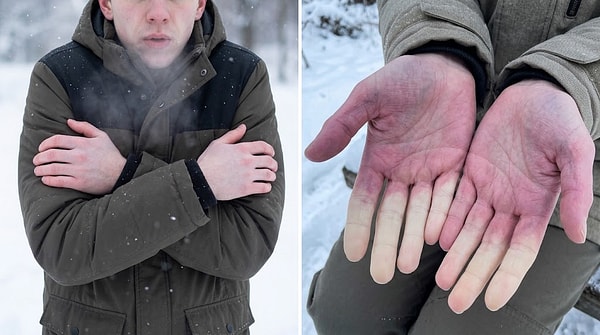
When the body enters a cold environment, it constricts the blood vessels in the hands and feet to preserve heat in vital organs. Although the decrease in blood flow causes color change in the tissues, the situation returns to normal as the body warms up.
However, some people experience Raynaud's phenomenon; cold or high stress restricts blood circulation, causing the fingers to become cold and numb.
High Stress or Anxiety

In times of stress and tension, the body pumps adrenaline into the blood. Adrenaline reduces blood flow by constricting the veins in the extreme areas.
Constantly experiencing this reaction in modern life causes more harm than good, causing the hands and feet to cool down regularly.
Circulation Problems
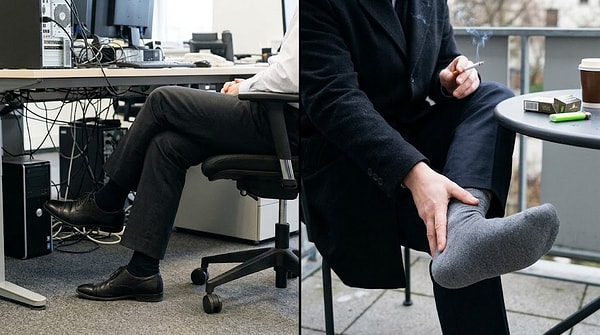
Sedentary lifestyle and sitting at a desk all day slow down the blood circulation to the legs.
Use of tobacco products (cigarettes), plaque formation in the vessels due to high cholesterol, and some heart diseases prevent sufficient blood from reaching the feet, causing coldness.
Anemia

It is a condition where there are insufficient red blood cells in the body. It may be caused by factors such as iron, vitamin B12, folate deficiency or chronic kidney disease.
Cold feet are frequently observed in cases of moderate and severe anemia.
Diabetes Mellitus

Frequently rising blood sugar levels narrow the arteries, reducing blood flow.
In addition, uncontrolled blood sugar can lead to nerve damage (diabetic peripheral neuropathy). This condition causes coldness in the feet, as well as tingling, numbness, stinging and a burning sensation that increases especially at night.
Nervous Disorders and Hypothyroidism

Nerve Disorders: Peripheral neuropathy, which develops as a result of traumas, liver/kidney diseases or infections, causes constant cold feet and numbness.
Hypothyroidism: Underactive thyroid gland slows down the metabolism. Slowing down metabolism can negatively affect body temperature, circulation and heart rate, causing coldness, fatigue, weight gain and memory problems.
Solutions and When to See a Doctor?

Home Methods: Although the underlying condition requires medical treatment, wearing slippers or using a heating pad at home may help to provide temporary relief. Additionally, reducing stress and moving supports circulation.
Expert Approval: If anemia, diabetes, thyroid or circulatory disorders are suspected, a doctor should be consulted; Dietary changes, supplements or medication should be planned under the supervision of a doctor.


